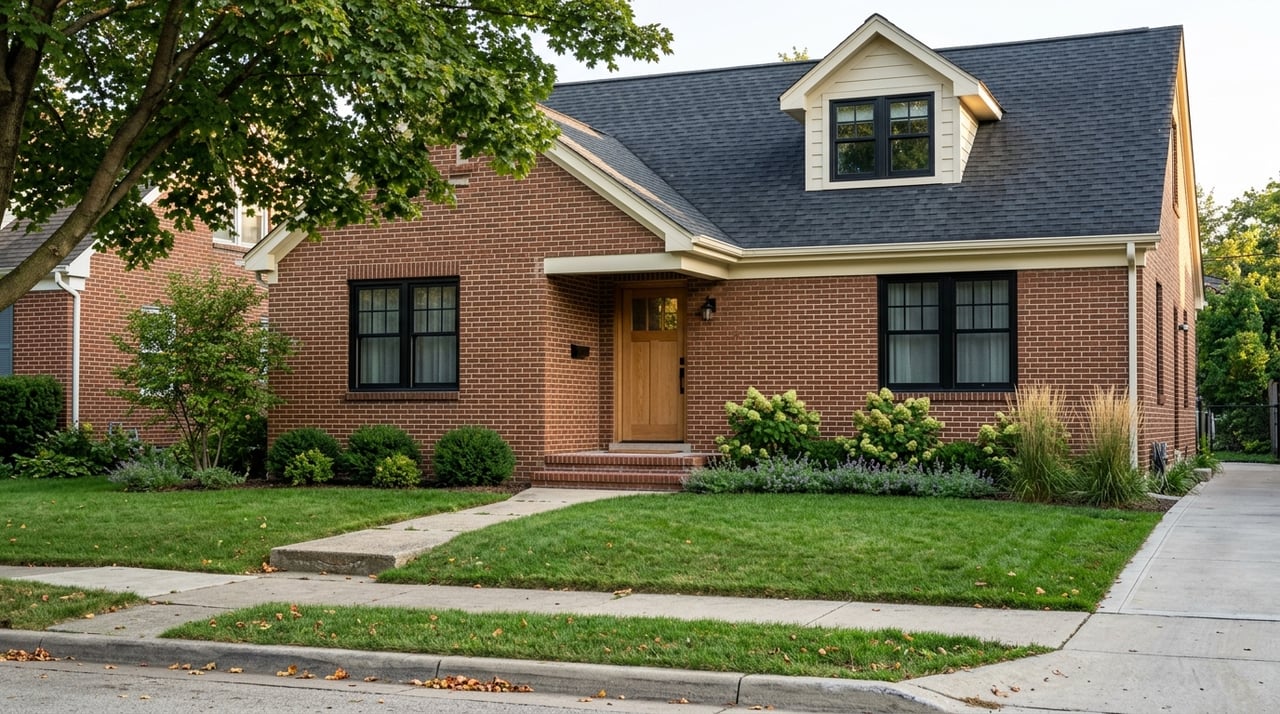
If Royal Oak feels hard to pin down, that is because it is. One block may feel quiet and residential, while the next is closer to a walkable mixed-use area or a busy corridor. If you are trying to figure out where you fit and what kind of home makes sense, this guide will help you understand how Royal Oak neighborhoods and home styles come together. Let’s dive in.
How Royal Oak Feels Block by Block
Royal Oak covers about 11.8 square miles and has roughly 58,200 residents and 29,000 households. City information points to a mix of downtown energy, tree-lined residential streets, 51 parks, and a strong farmers market presence. That combination helps explain why the city attracts buyers looking for both convenience and neighborhood character.
One of the most important things to know is that Royal Oak does not read like one uniform market. City planning documents and neighborhood association materials show a patchwork of smaller areas with names like Arlington Park, Franklin Park, Vinsetta East, Vinsetta Park, Westwood, Woodwardside, Southpointe, and Starr-Jaycee. In practical terms, that means your experience can change quickly depending on the street, lot pattern, and nearby land use.
The city’s master plan also helps explain these shifts. It identifies places such as Downtown, Mixed-Use Corridor, Woodward Corridor, Neighborhood Main Street, Activity Center, Neighborhood Residential, Neighborhood Edge, and Neighborhood Node. For you as a buyer, that framework can be useful because it helps explain why some areas feel more urban and walkable while others feel more traditional and residential.
Why Neighborhood Labels Matter
In Royal Oak, neighborhood names often matter more than broad citywide generalizations. Rather than thinking only in terms of north, south, east, or west, it helps to look at the smaller pocket you are considering. That is often where you will notice differences in home age, lot size, traffic patterns, and overall streetscape.
This also matters if you are comparing daily lifestyle. A home near downtown may offer easier access to dining, shopping, entertainment, and year-round events, while another pocket may offer a quieter residential setting with a different street rhythm. Neither is automatically better. The right fit depends on how you want to live.
Downtown Royal Oak and Nearby Areas
Downtown Royal Oak is one of the city’s most visible draws. City materials describe it as a vibrant and walkable destination with a dense mix of businesses, activity, and events. If you want a more connected, urban feel, the downtown area and nearby mixed-use blocks may be worth a closer look.
These areas are also evolving. The city highlights ongoing mixed-use residential development downtown, including a midrise residential project. For buyers, that means the housing mix near the core is not limited to older detached homes. You may also find condos, townhomes, and newer residential options that line up with a lower-maintenance lifestyle.
Walkability is a big part of the story here. The master plan calls for wider sidewalks in downtown and mixed-use areas than in neighborhood residential areas, and the city says walkability is a priority. If being able to get around on foot matters to you, this can be a useful filter when narrowing your search.
Traditional Residential Pockets
Outside the more active corridors, Royal Oak has many neighborhood residential areas shaped by different eras of growth. These are the places where buyers often notice mature trees, a quieter pace, and a broad range of home styles built over decades. The city’s planning approach emphasizes preserving existing residential neighborhoods and recognizing distinct neighborhood identities.
That is one reason Royal Oak appeals to buyers who want options. You are not choosing from just one housing template. Instead, you may find a bungalow on one block, a ranch on another, and a newer two-story home nearby.
Royal Oak Home Styles Explained
Bungalows and Craftsman Influence
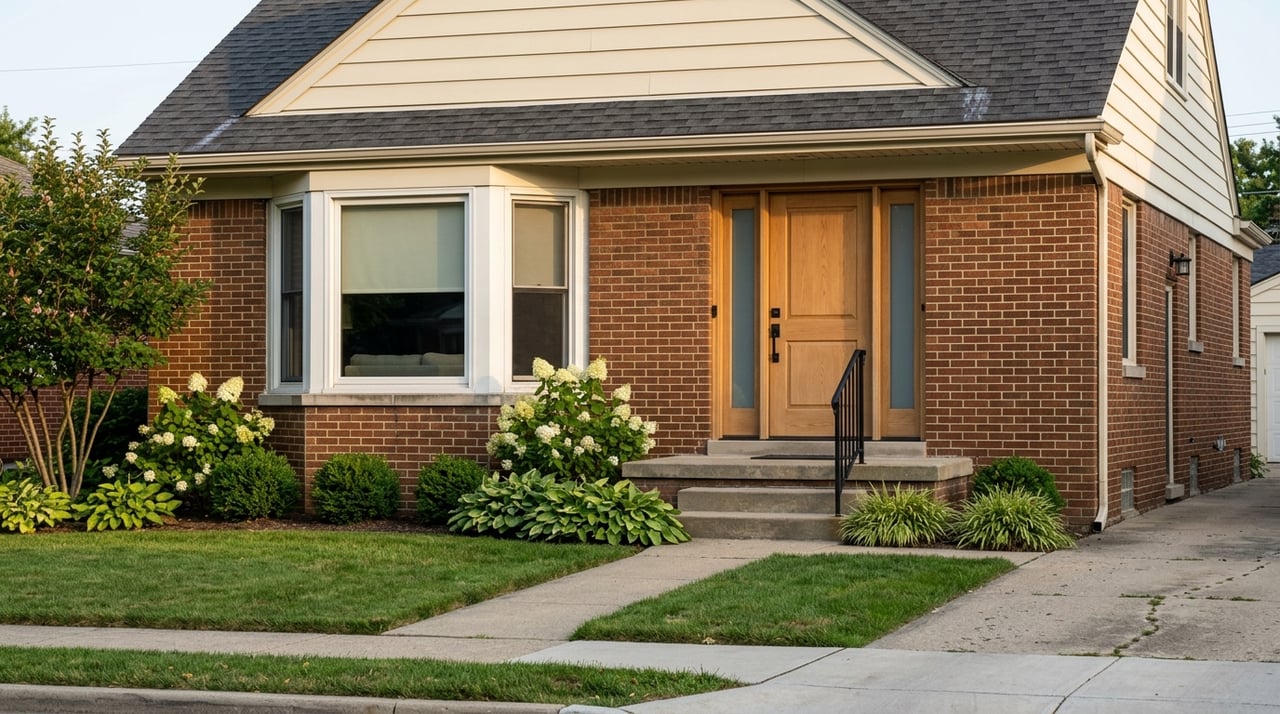
Bungalows are a major part of Royal Oak’s older residential fabric. The city’s residential sales study includes multiple bungalow sales from the late 1940s on streets such as North Connecticut and North Wilson, which shows how common this style is in some older, denser sections of the city. If you picture Royal Oak as a place of compact lots and classic curb appeal, this is often the style behind that image.
Many buyers like bungalows because they can offer original character and an efficient footprint. Depending on the property, you may also find opportunities for updates or expansions over time. If you value charm and are comfortable evaluating renovation needs carefully, this category deserves attention.
Mid-Century Ranches
Ranches are another defining Royal Oak home style, especially in post-war sections. The city study shows many examples from the mid-1950s on streets such as Millard, Amelia, Montrose, Kent, and Elmhurst. These homes reflect a different chapter of the city’s growth and often appeal to buyers who prefer a simpler layout.
For some buyers, ranches stand out because they can support easier day-to-day living and a more straightforward floor plan. That can be especially appealing if you want less vertical living space to manage. As always, condition, updates, and lot characteristics can vary from home to home.
Colonials and Two-Story Homes
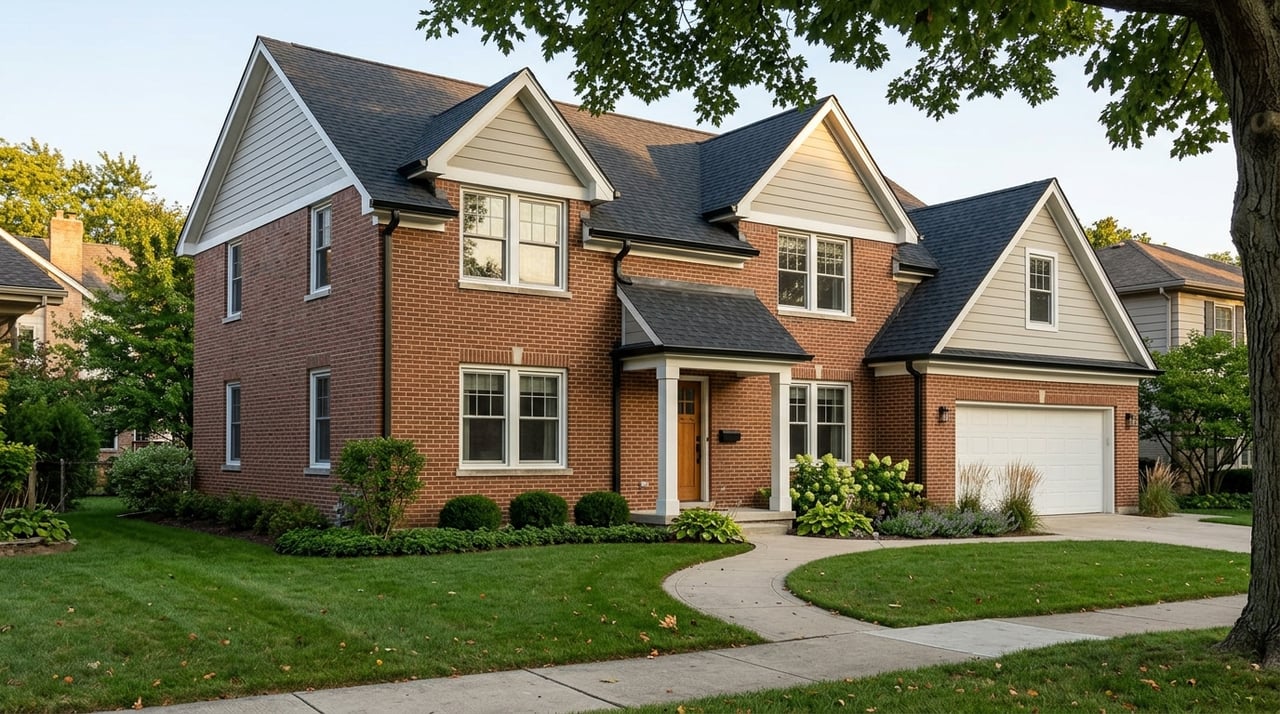
Colonial and two-story homes show up across a surprisingly broad time span in Royal Oak. The city’s sales study includes examples from the 1920s, 1930s, 1990s, 2000s, 2010s, and 2020s. In other words, a Royal Oak colonial might be an older character home or a newer infill property.
That variety matters when you are searching online or touring in person. Two homes may share the same style label but feel very different in layout, finishes, lot coverage, and overall scale. If you need more space, newer systems, or a more modern layout, it helps to look past the headline style and focus on the actual era and construction details.
Condos and Townhomes
Royal Oak also has a meaningful condo and townhome segment. The city sales study lists communities such as Woodland Place, Fifth Street Condo, Dorchester Condo, Leafdale Condo, and Lincoln Townhouse Condo, with examples built from 1964 through 1995. Combined with newer downtown residential development, that gives buyers several ways to approach lower-maintenance living.
This can be a practical option if you want to stay close to activity or simplify upkeep. Condo and townhome choices may differ in age, location, parking setup, and how connected they feel to downtown or surrounding neighborhoods. If convenience is high on your list, this is an area worth comparing carefully.
Historic Districts and Older Character Areas
Royal Oak has 15 designated historic districts, including places such as the L.A. Young Historic District and Vinsetta Bridges, along with individually designated historic properties like the Orson Starr House and Knowles House. These designations help identify older character areas and homes connected to different periods of the city’s development. They also show that Royal Oak’s housing history is layered, not tied to one single era.
For buyers, the key point is practical. The city says historically designated properties seeking exterior alterations must go through historic-district review. If you love older homes and original character, that may be perfectly acceptable, but it is something you will want to understand before making plans for changes.
It is also helpful to know that the city’s historic FAQ says properties cannot be designated historic without owner permission. Even so, if a home is already in a designated setting, make sure you understand what that means for future exterior work. A little upfront research can save you time and frustration later.
Smart Filters for Your Home Search
Because Royal Oak has so many neighborhood patterns, it helps to search with real-life priorities instead of style names alone. Some of the most useful filters come directly from how the city is organized and how homes differ across neighborhoods.
Consider focusing on:
- Walkability if you want easier access to downtown or mixed-use areas
- Parking if you are looking near denser blocks or condo settings
- Lot size if outdoor space matters to you
- Renovation tolerance if you are considering older homes with character
- Condo versus single-family if maintenance level is a major factor
- Historic district location if exterior changes may matter in the future
These filters can help you sort through homes more clearly than a broad search for the “best” part of Royal Oak. Often, the smartest move is matching your daily needs to the right pocket of the city.
Use Citywide Numbers Carefully
Citywide housing figures can be useful for general context, but they do not tell the whole neighborhood story. Census data shows a median value of owner-occupied housing units of $328,700, a median gross rent of $1,381, and an owner-occupied rate of 68 percent. Those numbers are helpful as a baseline, but they should not be treated as the value of every pocket or home style.
That is especially true in Royal Oak, where block-by-block differences can be significant. A downtown-adjacent condo, a post-war ranch, and a newer two-story infill home may all sit in the same city but compete in very different ways. This is where neighborhood-level analysis becomes more useful than broad averages.
How to Narrow Down the Right Fit
If you are trying to decide where to focus, start with lifestyle before architecture. Ask yourself whether you want to be near downtown activity, on a quieter residential street, or in a setting that offers easier maintenance. Then compare that goal against home type, lot size, parking, and renovation needs.
After that, look at age and style with a practical lens. A bungalow may offer character, a ranch may offer a simpler layout, and a colonial may offer more vertical living space, but the real question is how each option supports your next chapter. When you approach Royal Oak that way, the city starts to feel much easier to understand.
If you want help sorting through Royal Oak neighborhoods, comparing home styles, or making sense of what fits your goals in Oakland County, reach out to Donna McDonald. You will get clear guidance, thoughtful analysis, and personal support from start to finish.
FAQs
What types of homes are most common in Royal Oak, MI?
- Royal Oak commonly includes bungalows, Craftsman-influenced homes, mid-century ranches, colonials, two-story homes, condos, and townhomes.
How do Royal Oak neighborhoods differ from one another?
- Royal Oak has smaller neighborhood pockets and planning areas that can feel very different based on walkability, lot patterns, nearby mixed-use development, and housing age.
What is downtown Royal Oak like for homebuyers?
- Downtown Royal Oak is a walkable, active area with dining, shopping, entertainment, events, and a growing mix of residential options, including mixed-use development.
Are there historic districts in Royal Oak, MI?
- Yes. Royal Oak has 15 designated historic districts, and exterior alterations on historically designated properties may require historic-district review.
Are Royal Oak home prices the same across the city?
- No. Citywide figures provide a general baseline, but pricing and value can vary significantly by neighborhood pocket, home style, condition, and location.
What should buyers compare first in Royal Oak neighborhoods?
- Buyers should compare lifestyle factors first, such as walkability, parking, lot size, renovation needs, condo versus single-family living, and whether a home is in a historic district.