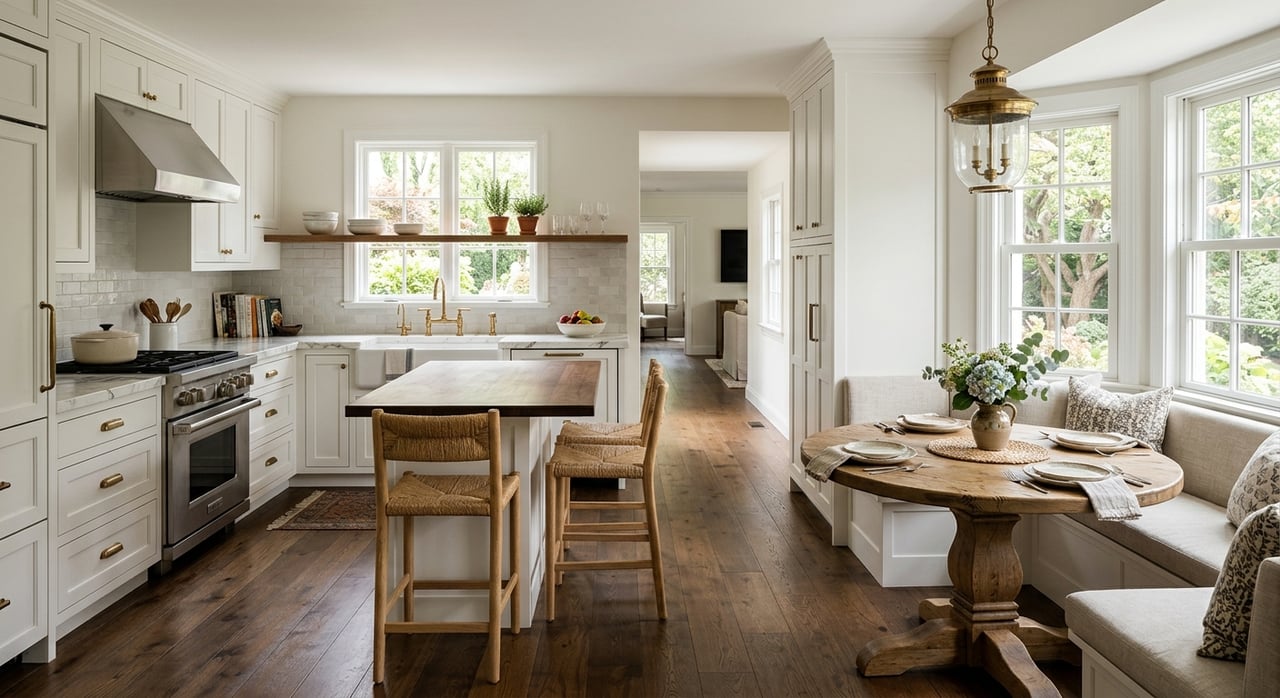
Buying your first home in Royal Oak can feel exciting and a little overwhelming at the same time. You are trying to balance budget, timing, competition, and the big question of whether a home is truly the right fit. This guide will help you understand how the process works locally, what to watch for in Royal Oak’s housing stock, and how to move forward with more confidence. Let’s dive in.
Why Royal Oak attracts first-time buyers
Royal Oak offers a mix that many first-time buyers want: a pedestrian-friendly downtown, restaurants, patios, theaters, coffeehouses, distinctive shops, and tree-lined residential streets. The city describes that blend as part of its identity, and it helps explain why so many buyers keep Royal Oak high on their list.
It is also a compact city at 11.83 square miles, which can make location choices feel more manageable than in a larger suburb. At the same time, demand can stay focused because many buyers are looking for that same combination of convenience, character, and neighborhood feel.
The local housing picture gives useful context too. Census QuickFacts reports about 57,583 residents, a 68.0% owner-occupied housing rate, and a median value of owner-occupied housing of $328,700. Median monthly owner costs with a mortgage are listed at $1,902, which is a helpful reminder that your monthly budget matters just as much as your target price.
Understand the Royal Oak market
If you are shopping in Royal Oak, it helps to expect competition without assuming every listing will turn into a bidding war. Recent market snapshots show homes moving in about 33 days on market. Redfin reports a median sale price of $355,000 over the last three months and about two offers on average, while Realtor.com’s March 2026 snapshot shows a median listing price of $392,500 and a 99% sale-to-list ratio.
Those numbers are not interchangeable because they measure different things, but together they point to the same takeaway. Royal Oak is competitive, and good homes can move quickly, so preparation matters.
That means your best advantage is not guesswork or speed alone. It is knowing your price range, being ready to tour quickly, and understanding what compromises you will and will not make before the right home appears.
Step 1: Get pre-approved early
Before you start scheduling showings, get pre-approved. The CFPB says preapproval helps sellers see that you are serious, but it is not a guaranteed loan offer. It also often expires in 30 to 60 days, so timing matters.
Preapproval does more than strengthen your offer. It gives you a clearer picture of what a lender may allow and what payment range feels comfortable for your real life.
As you prepare, avoid taking on new debt or making large purchases right before you shop. The CFPB warns that changes like a new car loan or major credit purchase can complicate qualification.
Step 2: Compare lenders and your full budget
A first-time buyer mistake is focusing only on the maximum loan amount. A better approach is to compare lenders carefully and think through your full monthly cost before you start writing offers.
The CFPB recommends comparing multiple lenders and reviewing official Loan Estimates after you make an offer. That gives you a better way to evaluate terms and costs instead of relying on one quote alone.
In Royal Oak, your monthly housing budget should include more than principal and interest. You also need room for property taxes, homeowners insurance, repairs, and any HOA dues if they apply.
Step 3: Know what “first-time buyer” means in Michigan
If you are looking into first-time buyer programs, Michigan has its own definition that matters. The Michigan Treasury defines a first-time home buyer as a resident who has not owned or purchased a single-family residence in the prior three years.
That is important because some buyers assume they do not qualify if they have owned a home at any point in the past. In Michigan, the three-year lookback can change that answer.
MSHDA says its MI Home Loan program is available to first-time buyers statewide. It also says a housing education class is required, and buyers can use MSHDA’s housing education locator to find approved classes and lenders.
Step 4: Tour quickly, but stay focused
Because Royal Oak remains competitive, you may need to see promising homes soon after they hit the market. That does not mean rushing into a decision. It means being organized enough to act without losing perspective.
As you tour, compare homes the same way each time. Look at layout, condition, likely near-term repairs, and how the home fits your daily routine. A charming kitchen or fresh paint should not distract you from bigger questions about systems, upkeep, and total ownership cost.
This is especially important in a city where the housing stock is older. Royal Oak’s age and character are part of its appeal, but they also make careful evaluation essential.
Step 5: Pay close attention to older homes
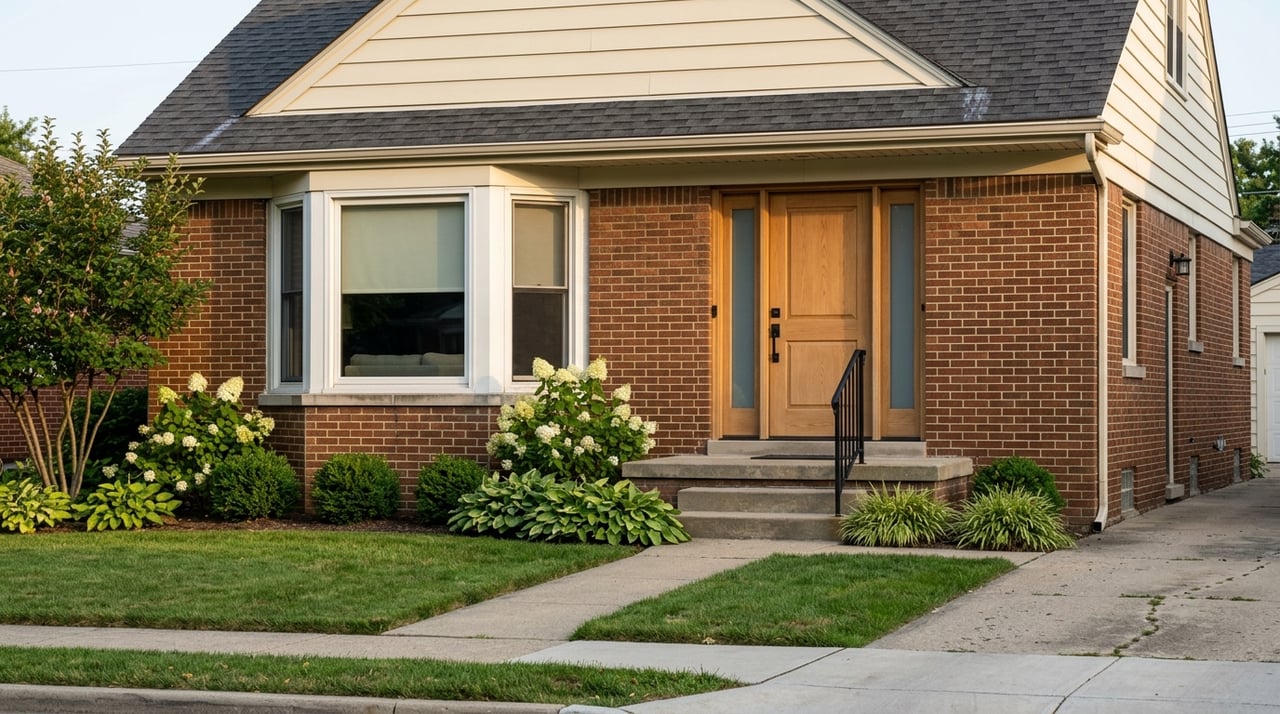
Royal Oak has a notably older housing stock. In the city’s 2016-2020 CHAS data, 43% of owner-occupied units were built before 1950 and 89% were built before 1980. The city’s consolidated plan also says most single-family housing stock was built before 1950.
For you as a first-time buyer, that means condition matters as much as style. Many homes may have charm, mature landscaping, and established streetscapes, but older homes can also bring aging systems, deferred maintenance, or updates completed over different decades.
A practical checklist for older Royal Oak homes includes:
- Roof age
- Window condition and age
- Heating and cooling equipment
- Drainage around the home
- Permit history for major updates
- Whether past renovations appear to have been completed properly
Royal Oak’s sustainability planning also notes that the older housing stock creates opportunities for energy-efficiency upgrades. So when you compare an older bungalow or colonial with newer infill construction, think beyond surface finishes and ask what future improvements could mean for comfort and utility costs.
Step 6: Understand lead paint rules
If you are considering a home built before 1978, lead safety should be on your radar. The EPA says homes built before 1978 are more likely to contain lead-based paint.
Before the sale of most pre-1978 housing, known lead-based paint information must be disclosed. If you are planning future renovations, the EPA also recommends testing or using lead-safe precautions before work begins.
This does not mean you should avoid older homes. It means you should go in informed and ask the right questions as part of your due diligence.
Step 7: Write a smart offer
When the right home appears, you want to move quickly without stretching beyond your comfort zone. In a competitive market, that starts with knowing your maximum budget before you write, not while emotions are high.
Offer strategy is not only about price. Terms, timing, and your level of preparation also affect how strong your offer looks to a seller.
Royal Oak market data suggests that many homes receive multiple offers, and some buyers waive contingencies. Even so, first-time buyers should think carefully before giving up protections that matter.
Step 8: Keep the inspection in view
The CFPB recommends scheduling a home inspection as soon as possible once you have chosen a home. It also notes that an inspection clause can make your offer contingent on acceptable findings.
In a city with many older homes, this step carries extra weight. An inspection can help you understand the condition of key systems and identify issues that may not be obvious during a showing.
It also helps to remember that a home inspection and an appraisal are not the same thing. The CFPB emphasizes that distinction, and it matters because each serves a different purpose in the transaction.
Step 9: Budget for closing and beyond
Closing is the final step in the purchase and financing process, but it is not the end of the financial planning. You should be ready for the costs of ownership from day one.
The CFPB reminds buyers to budget for taxes, insurance, repairs, and any HOA dues in addition to the mortgage payment. In Royal Oak, that is especially important if you buy an older home and expect to handle maintenance items over time.
A simple way to stay grounded is to separate your budget into two buckets:
- Upfront costs: down payment, closing costs, inspection-related expenses, and moving costs
- Ongoing costs: mortgage payment, taxes, insurance, utilities, maintenance, and possible repairs
Older homes vs newer infill
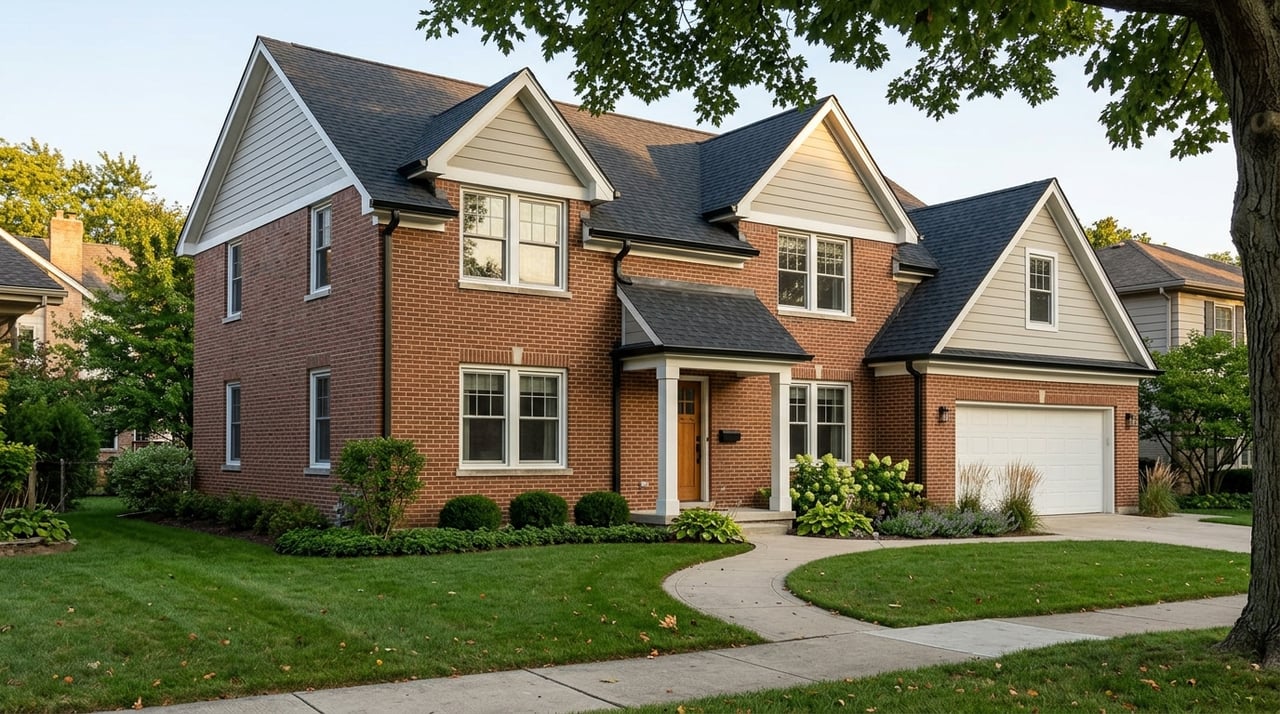
Some first-time buyers in Royal Oak are choosing between established older homes and newer rebuilds or infill construction. The city notes limited vacant land and an uptick in teardown-and-rebuild activity, so newer options are generally more limited than in areas with large new subdivisions.
Older homes may offer established settings and classic character. Newer homes may offer more current systems and potentially lower near-term maintenance needs.
The right fit depends on your priorities. If you value charm and are comfortable planning for updates, an older home may make sense. If you want fewer immediate projects, a newer infill home may be worth the premium if it fits your budget.
A simple first-time buyer plan
If you want to keep the process clear, focus on these steps:
- Get pre-approved early
- Compare lenders and review your full monthly budget
- Check whether Michigan first-time buyer programs may apply to you
- Tour homes quickly and compare them consistently
- Look closely at age, systems, and maintenance history
- Write an offer that matches your budget and risk comfort
- Schedule your inspection promptly
- Prepare for closing costs and ongoing ownership expenses
Buying your first home in Royal Oak is not about being perfect. It is about being prepared, informed, and realistic about both the lifestyle appeal and the responsibilities that come with ownership.
With a competitive market and an older housing stock, the buyers who do best are usually the ones who plan ahead, ask thoughtful questions, and stay disciplined when the pressure rises. If you want steady guidance as you explore Royal Oak and the broader Oakland County market, Donna McDonald offers a thoughtful, client-first approach built on local knowledge, analysis, and clear communication.
FAQs
What is a first-time home buyer in Michigan?
- Michigan defines a first-time home buyer as a resident who has not owned or purchased a single-family residence in the previous three years.
How fast do homes move in Royal Oak?
- Recent market snapshots show about 33 days on market, but well-priced homes can attract multiple offers, so it helps to be ready to tour and decide quickly.
Should a first-time buyer keep an inspection contingency in Royal Oak?
- The CFPB says an inspection clause can make your offer contingent on acceptable findings, and that can be especially important in Royal Oak because much of the housing stock is older.
What should I budget beyond the mortgage payment for a Royal Oak home?
- In addition to your mortgage payment, budget for property taxes, homeowners insurance, repairs, utilities, and any HOA dues if they apply.
Are older homes common in Royal Oak?
- Yes. City data shows 43% of owner-occupied units were built before 1950 and 89% were built before 1980, so evaluating condition and maintenance history is very important.
Are newer homes common in Royal Oak?
- Newer construction is more limited and is often tied to infill or teardown-and-rebuild activity because the city has limited vacant land.