If you want a suburb where you can grab coffee, stroll to dinner, spend time in the park, and still have real housing choices, downtown Birmingham deserves a close look. For many buyers, the challenge is finding a place that feels active and convenient without giving up the comfort of a traditional neighborhood. This guide will walk you through what downtown Birmingham living actually looks like, from the walkable lifestyle to the home options you can expect nearby. Let’s dive in.
Why downtown Birmingham stands out
Downtown Birmingham is built around a compact, pedestrian-friendly core along Woodward Avenue. The city itself is only 4.73 square miles, which helps keep daily destinations relatively close together. That smaller footprint supports the kind of lifestyle where you may be able to handle errands, dining, and outings with less driving than in a more spread-out suburb.
The area is also well established. Birmingham’s estimated population was 22,198 in 2024, and the 2019 to 2023 American Community Survey reported that 76.2% of housing units were owner-occupied. In that same survey period, the median owner-occupied home value was $712,700, which gives you a useful snapshot of the market’s pricing context.
What a walkable lifestyle looks like
One of the biggest draws of downtown Birmingham is how many daily and social activities are concentrated in one area. The downtown district describes itself as a center for business, social, and cultural activity, with shopping, dining, parks, trails, and events all close together. If you value convenience and like being able to step out and do more without planning your whole day around the car, that matters.
This kind of setting can appeal to several types of buyers. Relocating professionals may appreciate the ease and energy of the downtown core, while downsizers may like having lower-maintenance living options near restaurants, services, and public spaces. Buyers who still want access to nearby single-family neighborhoods can also find that mix in Birmingham.
Shopping and dining close by
Downtown Birmingham offers nearly 300 merchants, which creates a broad mix of everyday convenience and leisure. You will find boutiques, home furnishings, gift shops, jewelers, salons, spas, art galleries, antiques, and service-based businesses in the district. That variety helps make downtown feel useful, not just attractive.
The dining scene also adds to the area’s appeal. Options range from fast-casual spots to fine dining, and the district highlights patios and outdoor dining as part of the experience. If you enjoy having multiple choices for a quick lunch, date night, or weekend outing, downtown Birmingham gives you plenty to work with.
Parking still adds convenience
Walkability is a major feature here, but parking still plays an important role. Downtown Birmingham has five municipal parking garages, and the district states that the first two hours are free in municipal structures Monday through Saturday. Parking is also free on Sundays in structures and at meters.
That setup can make downtown living and visiting easier, especially for errands, restaurant visits, or appointment-based stops. Even if you plan to walk often, it helps to know the area supports easy access when you do drive.
Parks and public spaces downtown
A walkable downtown feels better when there are inviting places to pause, gather, and spend time outdoors. Birmingham has two notable parks in the heart of downtown, and the city says it has 26 parks overall plus two nine-hole golf courses. For a city its size, that is a meaningful part of the lifestyle picture.
Shain Park and Booth Park
Shain Park includes green space, outdoor seating, paved walking paths, public art, a children’s playground, and a performance stage. It also hosts events such as Winter Markt and the In the Park Summer Concerts. For residents, that means the park is not just a scenic backdrop. It is an active part of downtown life.
Booth Park offers an award-winning playscape, native plantings, rain gardens, and year-round recreation space. It also connects to the Rouge River Trail System. If you enjoy adding a walk, a trail connection, or park time into your routine, Booth Park gives you another reason the downtown area feels livable.
Culture and community activity
Downtown Birmingham offers more than shopping and restaurants. Cultural amenities include the Birmingham Museum, the Baldwin Public Library, and theaters such as Birmingham 8, Emagine Palladium, and The Village Players. These destinations help create a downtown that feels active throughout the week, not only during peak shopping hours.
The library is described as a place to learn, connect, and discover, and it overlooks Shain Park. The museum highlights Birmingham’s historical and cultural legacy. Together, these spaces add depth to the area and make downtown feel like a real community center.
Seasonal events add energy
Recurring events are another reason many buyers are drawn to Birmingham. Downtown programming includes Village Fair, outdoor movie nights, farmers market events, and holiday traditions such as Winter Markt. Because many of these activities are centered around parks and the downtown street grid, they contribute to a more social and active public environment.
If you are comparing Birmingham with more car-oriented suburbs, this event calendar can be a key difference. It creates more chances for casual outings, spontaneous plans, and regular community activity close to home.
Everyday convenience features
For many buyers, lifestyle comes down to the small weekly routines. Downtown Birmingham’s seasonal farmers market adds another layer of convenience and local activity. It operates on Sundays from May through October and features Michigan-grown produce, meat and dairy, floral arrangements, plants, artisan goods, live music, food trucks, and family activities.
That kind of market can become part of your normal weekend rhythm. It also reinforces the appeal of living near a downtown where shopping, dining, parks, and events are woven into everyday life.
Home options near downtown Birmingham
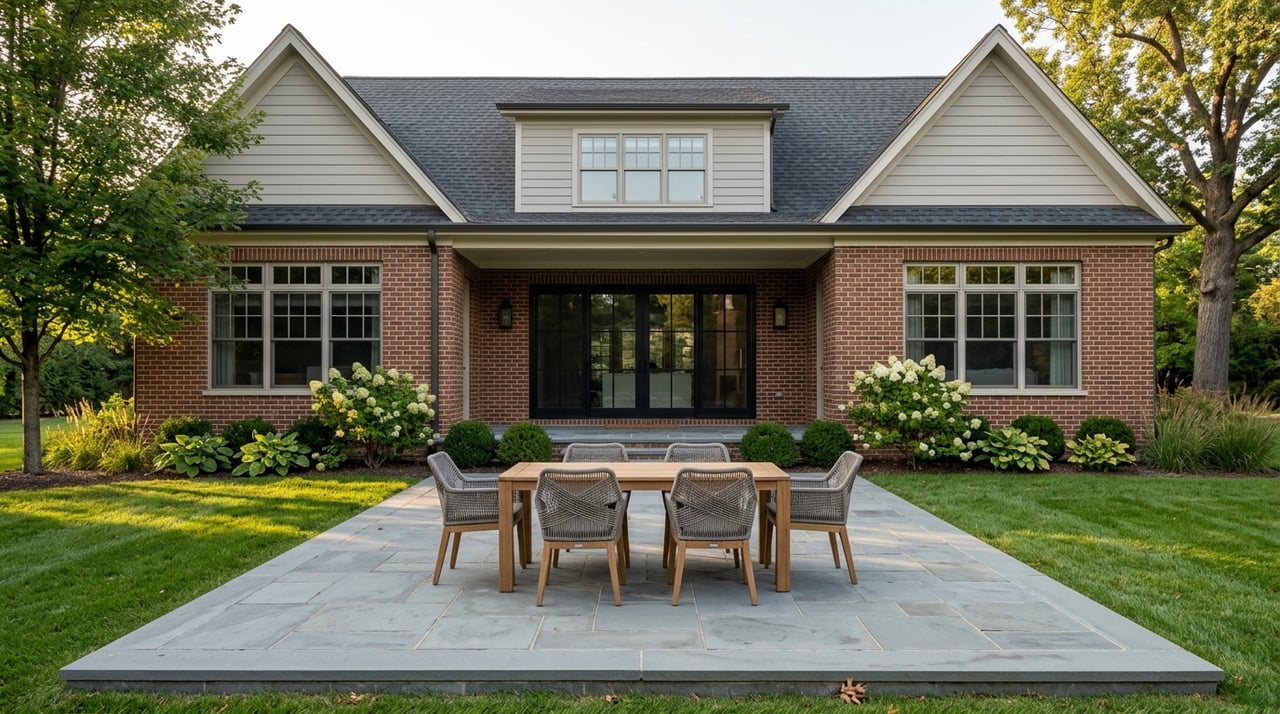
A common question is whether downtown Birmingham is mostly a place to visit or a place to live. The answer is both. Official downtown listings include residential living addresses such as Birmingham Place, Birmingham Pointe, Merrillwood Arms Management, The New 555 Residential, The Pearl Luxury Apartments, and all seasons of birmingham.
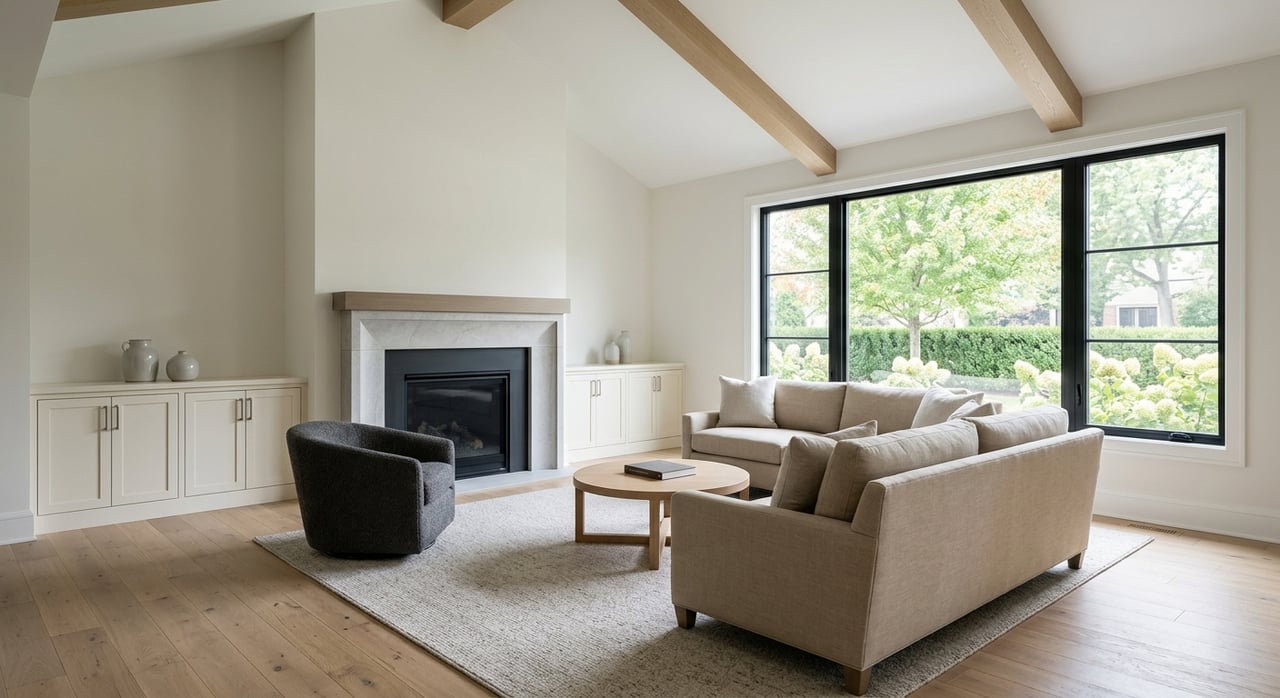
That is a strong sign that low-maintenance living is part of the immediate downtown market. If you want to be close to the center of activity, condo and apartment-style options are already part of the landscape.
Detached homes, condos, and apartments
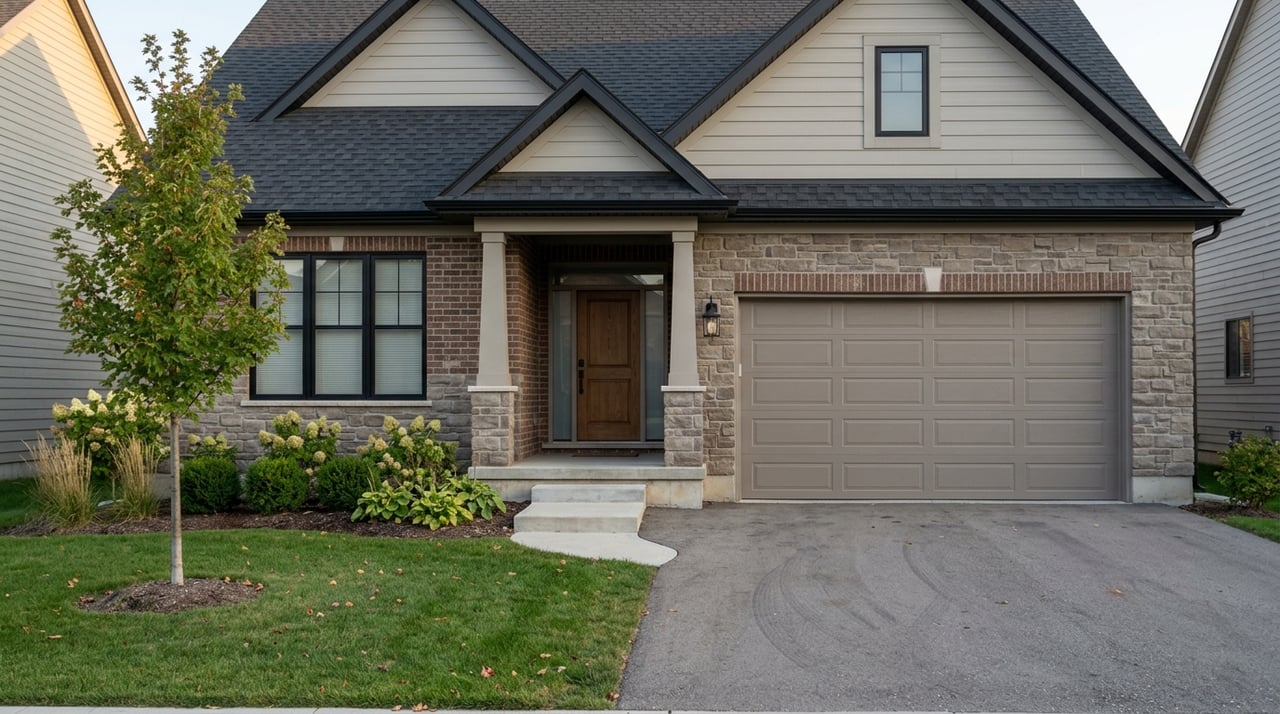
Birmingham’s housing mix extends beyond the core. A historical city finance model summarizing 2010 housing data reported 7,205 single-family detached units, 529 townhouse or attached condo units, and 2,000 multi-unit apartment units. While that data should be treated as background context rather than a current inventory count, it still shows that Birmingham has long supported a range of housing types.
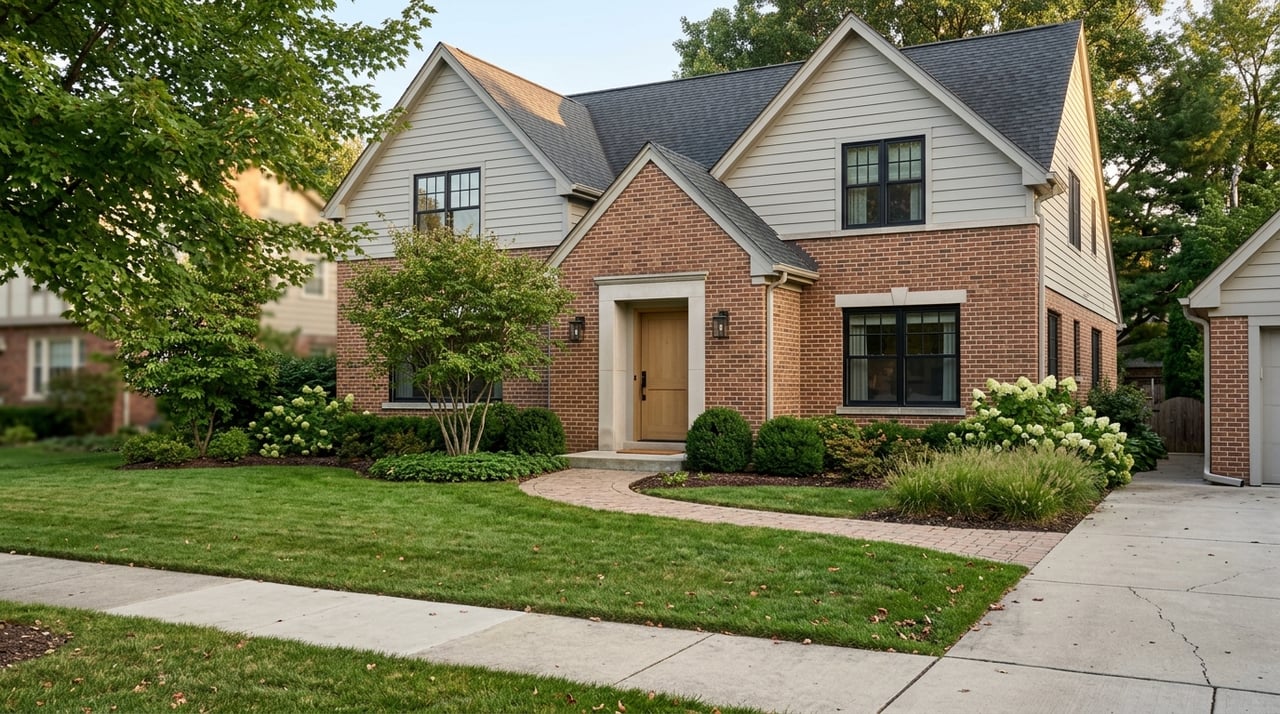
The city’s planning materials also reference separate single-family residential districts, and its master plan FAQ says neighborhood zoning should align with existing houses. Taken together with the downtown residential listings, that suggests two broad living patterns in Birmingham. You can look for lower-maintenance living in or near downtown, or explore more traditional single-family neighborhoods a bit farther out.
Who downtown Birmingham may suit best
Downtown Birmingham can be a strong fit if you want a true walkable-suburb lifestyle. Buyers who value restaurants, shopping, parks, public library access, theaters, and seasonal events in a compact setting may find a lot to like here. The mix of amenities and housing choices gives you flexibility that is not always easy to find.
This area may be especially appealing if you are downsizing and want less maintenance without feeling disconnected from activity. It can also work well for relocation buyers and professionals who want a lively environment along with access to more conventional suburban housing options nearby. If your goal is convenience without giving up choice, Birmingham stands out.
What to consider before you buy
As you explore downtown Birmingham, it helps to think about how you want your days to feel. Do you want to walk to restaurants and events, or would you rather be just outside downtown with a bit more separation? Are you looking for a condo or apartment lifestyle, or do you want a detached home with downtown access a short drive away?
It is also smart to keep the market context in mind. The city’s owner-occupied median home value of $712,700 points to a well-established market where location and convenience carry weight. Knowing your priorities early can help you focus on the part of Birmingham that best fits your lifestyle and budget.
If you are considering a move in Birmingham or elsewhere in Oakland County, working with an experienced local team can make the process much clearer. Donna McDonald offers thoughtful guidance for buyers who want to match their lifestyle goals with the right home and location.
FAQs
What is downtown Birmingham, Michigan, like for walkability?
- Downtown Birmingham is known for a pedestrian-friendly core with shopping, dining, parks, cultural spots, and seasonal events concentrated in a compact area.
What home types are available near downtown Birmingham?
- Buyers can find low-maintenance condo and apartment-style living near the downtown core, along with traditional single-family neighborhoods farther out in Birmingham.
Does downtown Birmingham have parks and public spaces?
- Yes. Downtown includes Shain Park and Booth Park, and the city says Birmingham has 26 parks overall plus two nine-hole golf courses.
What kinds of amenities are in downtown Birmingham?
- The district features nearly 300 merchants, a range of dining options, theaters, the Birmingham Museum, the Baldwin Public Library, a seasonal farmers market, and recurring community events.
Is parking available in downtown Birmingham?
- Yes. Downtown Birmingham offers five municipal parking garages, with the first two hours free in municipal structures Monday through Saturday and free parking on Sundays in structures and at meters.